US City Design
American post-WW2 architecture and city design has little to compliment. One of the few things you can is the gridded design. For example, compare Dublin, Ireland’s and Austin, Texas’ street layout:
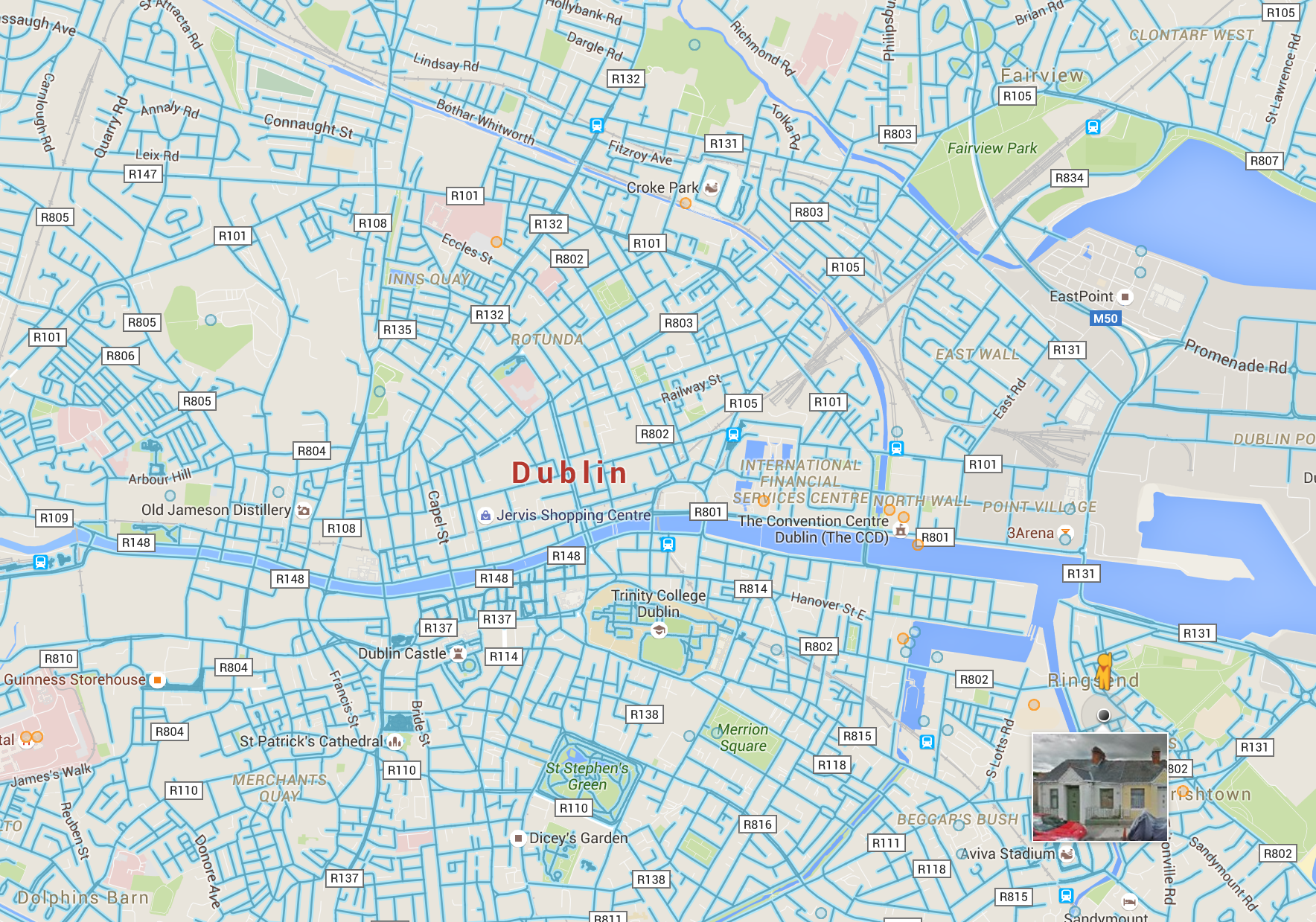
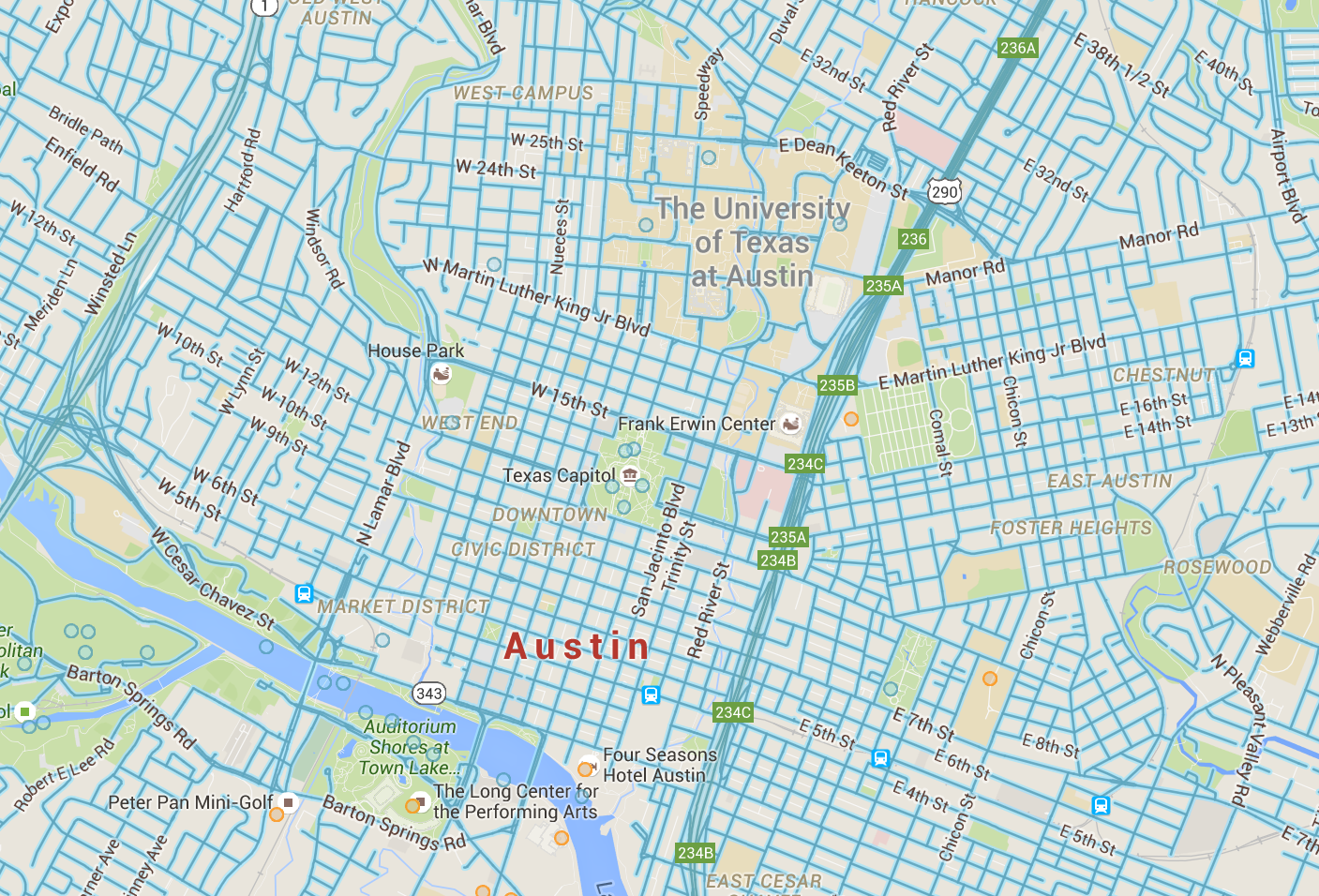
Very geometric and easy to wire up. But that’s where the positive mostly ends.
Suburban sprawl, beige stucco one-story buildings that are fraction of the size of their parking lots, streets packed with cars, long rows of ticky tacky mass produced identical houses, lack of a walkable city centre, and a strange proliferation of banks are some of the many drawbacks of American city scape.
An architecture firm was actually paid to design this:
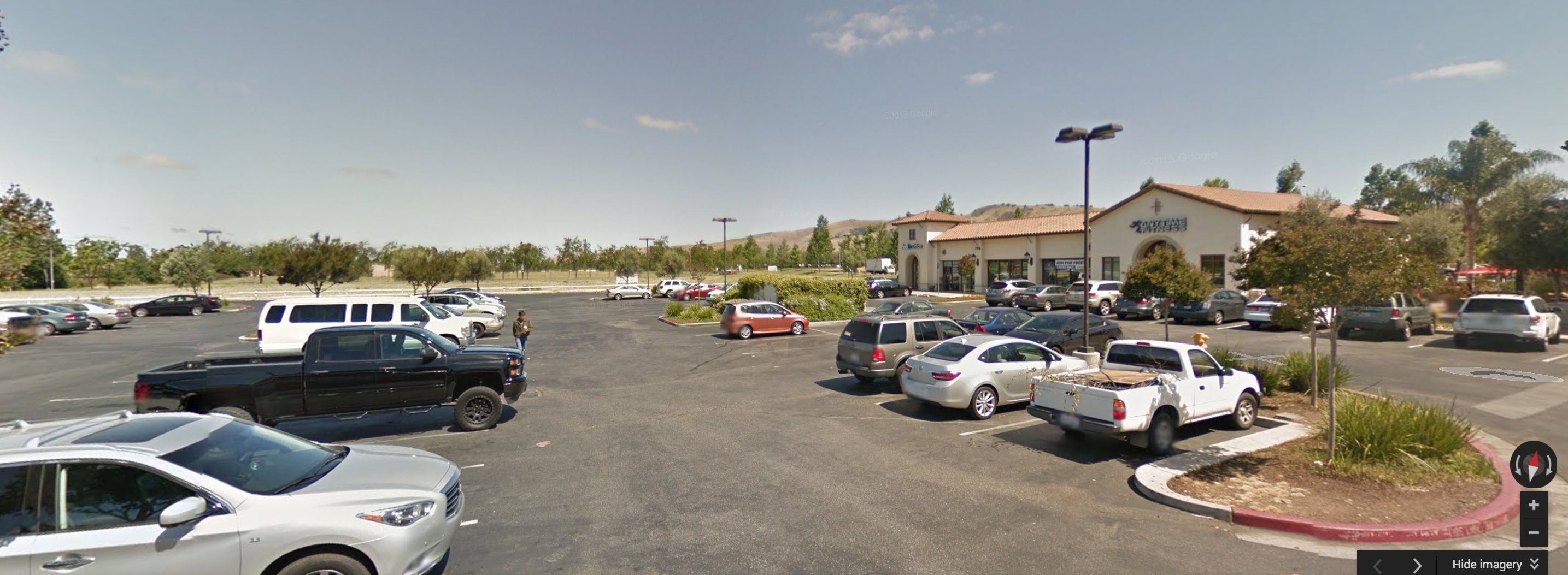
The latter point, the sheer number and girth of bank buildings, is a particularly irksome aspect of American cities. Afterall, we don’t really need banks anymore - their original purpose, storing physical forms of money, has become obviated thanks to technology.
Observe all the banks in downtown San Luis Obispo, my home town:
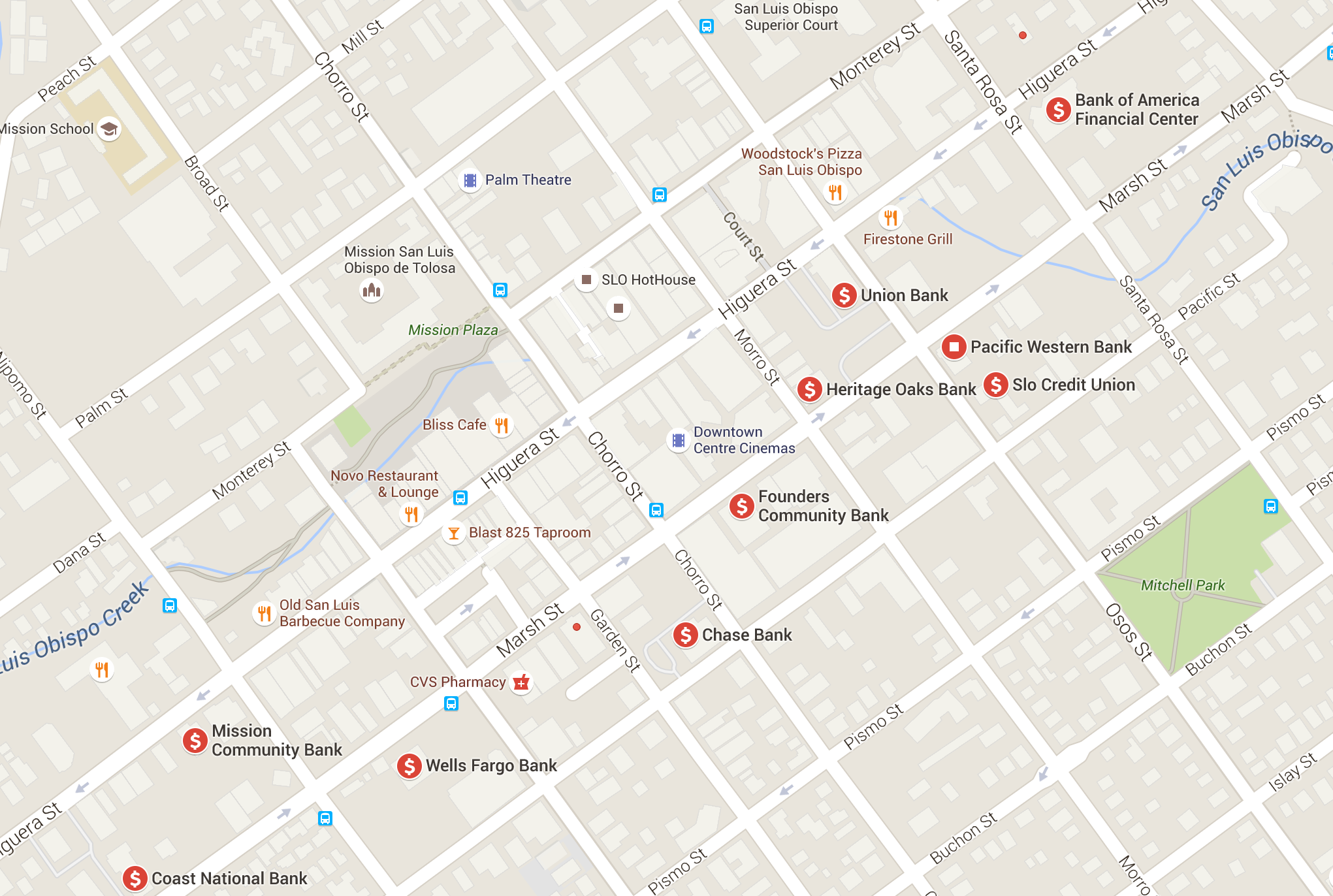
This is downtown, where people are supposed to go to enjoy themselves and socialize, and yet it’s plastered with banks, which often consume a surprisingly large amount of land thanks to their oversized parking lots and buildings.
Even worse than banks is the complete domination of cars. Two of SLO’s busiest streets run through the middle of downtown, and every street is lined with parked cars.
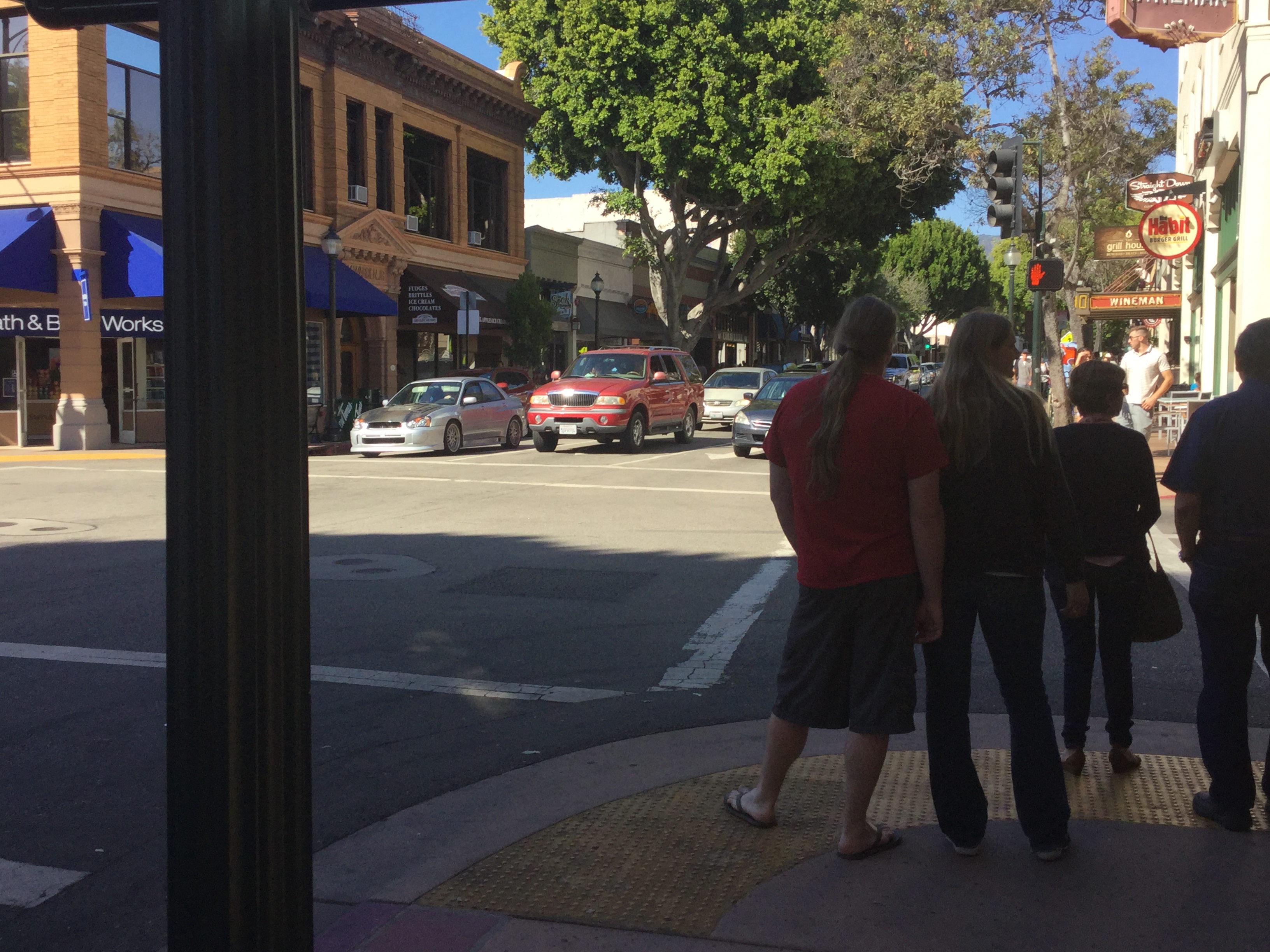
Awhile back, the city of SLO blocked off Monterey St, right in front of our mission. The resulting space has been a huge boon to the city, and is one of the few places downtown where you can escape from cars.
Observe:
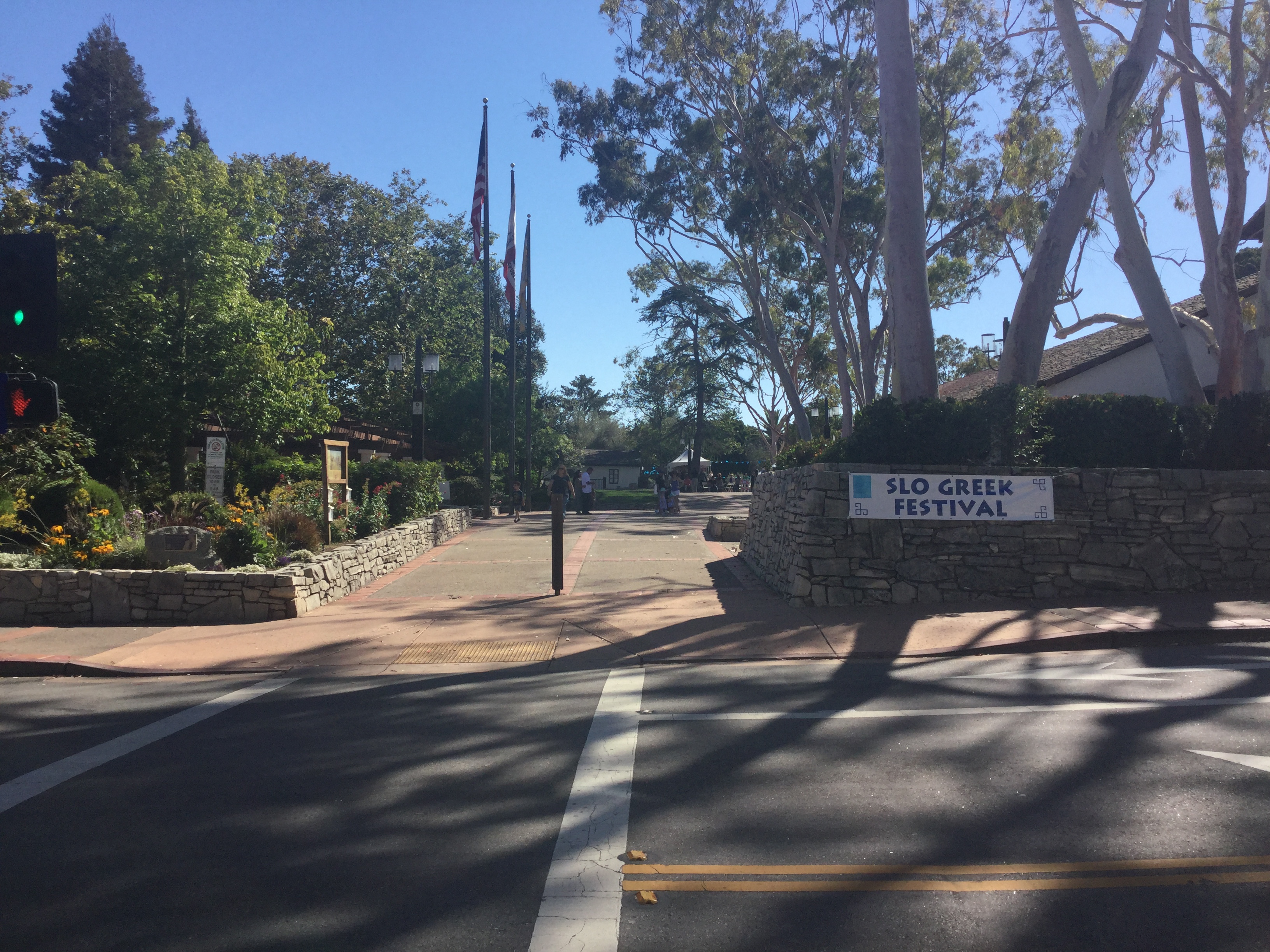
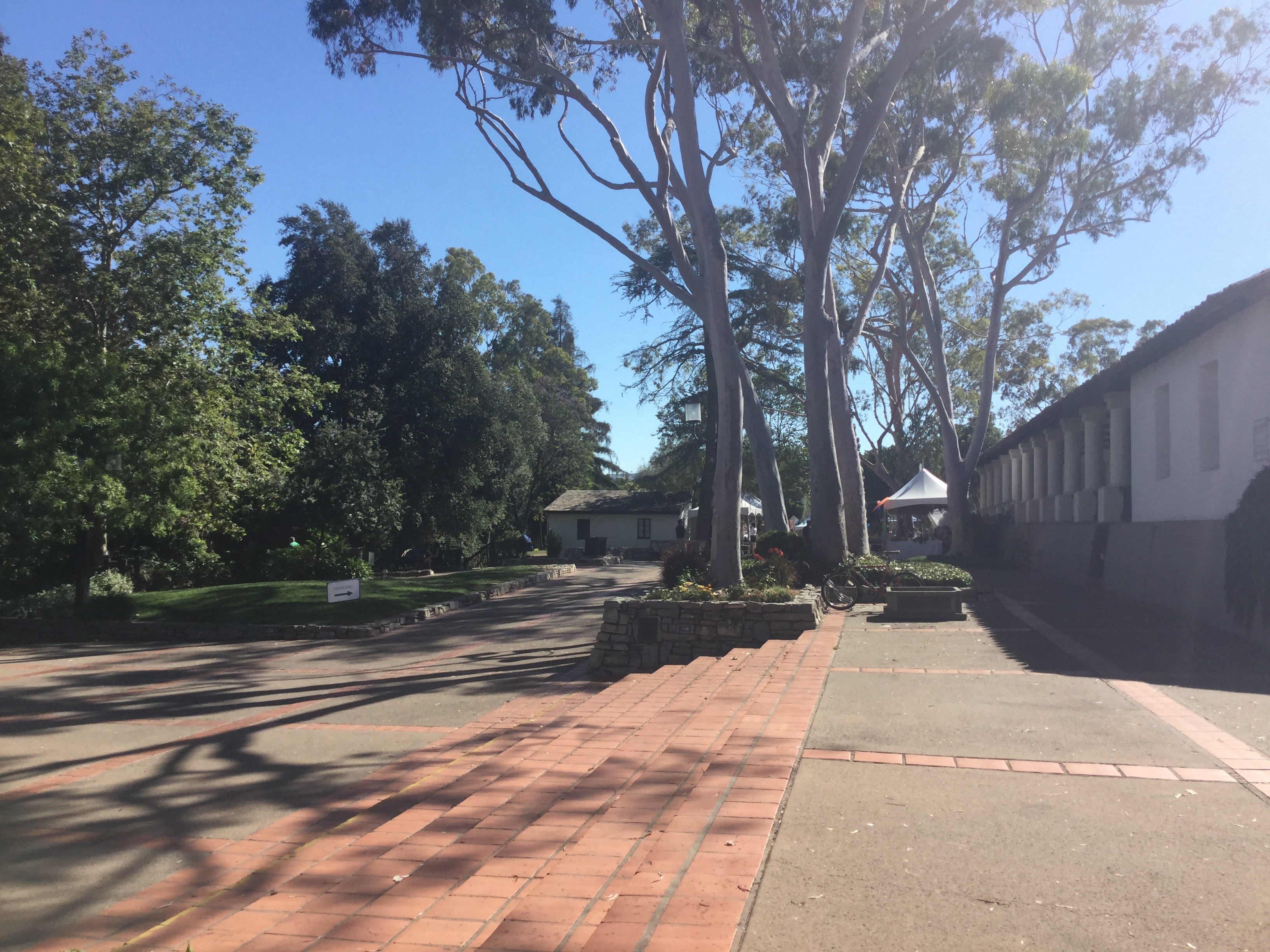
Much better than a street, no?
Some things cities could do to improve the situation:
- Get rid of antiquated height restriction laws.
- Continue blocking off streets where practical. Add public seating, free wifi, and allow some food vendors to set up shop.
- Ban street parking downtown.
- Close lanes, expand sidewalks, and/or put in bike dedicated lanes.
- Put as much parking underground as possible to save above-ground space for more important things.
- Place higher density housing near downtown to reduce the need for cars.
- Much more mixed use zoning.